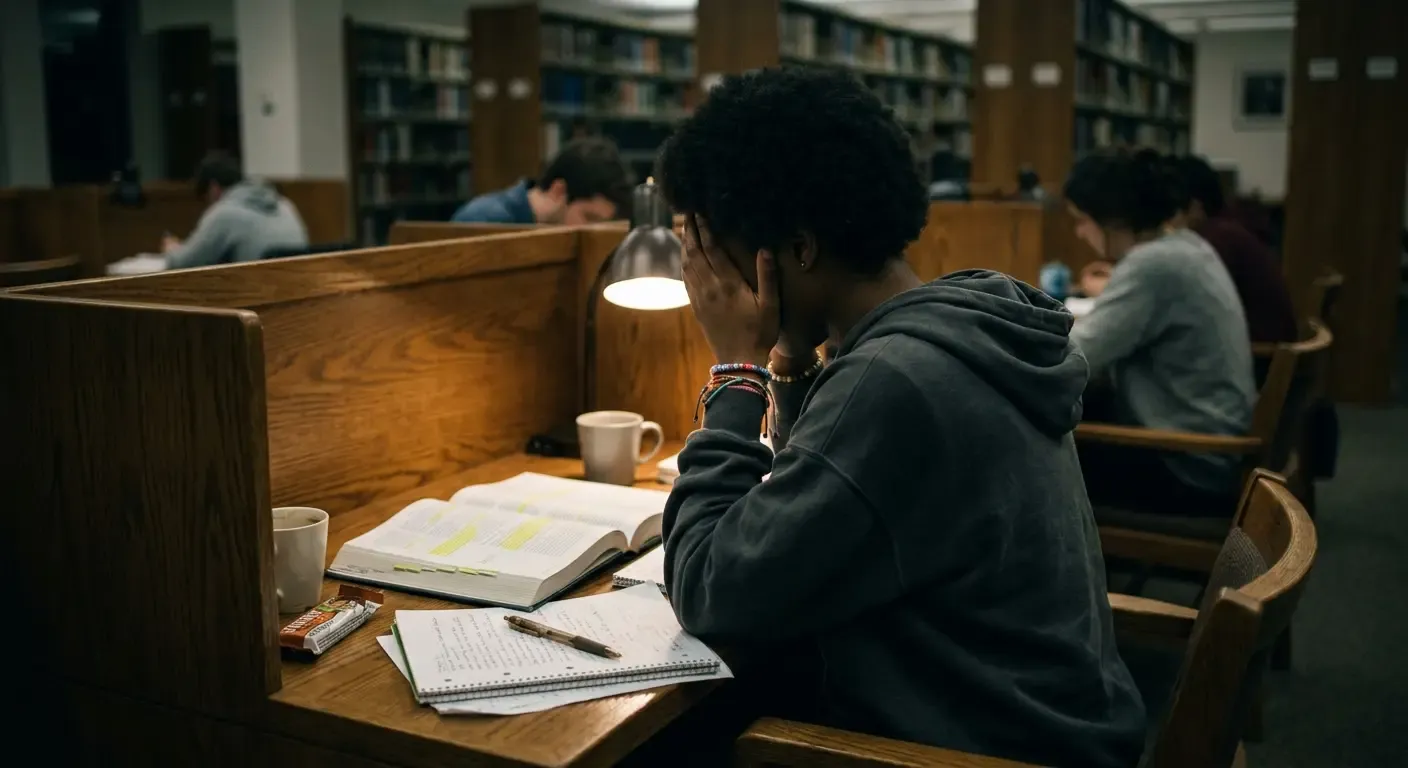
Feeling worried and stressed about an upcoming exam is something most students know well. Assessments tend to stir up anxious emotions, which can lead to underperformance and disappointment on test day.
Test anxiety shows up at different levels of severity and in different contexts throughout a student's education. Some students feel especially burdened by it, while others get by with only short-lived pre-exam jitters. Although this stress reaction is common and partly inevitable, students can take steps to help reduce it. By first understanding the factors that contribute to test anxiety, we can create solutions tailored to the individual.
What Is Test Anxiety?
Test anxiety is "the reaction to stimuli that is associated with an individual's experience of testing or evaluating situations" (Ping et al., 2008). Unlike general anxiety, which is more stable and persistent in daily life, test anxiety is tied specifically to an impending assessment. Symptoms vary from person to person but typically include tension, worry, and stress, along with physical symptoms such as trembling, sweating, and gastrointestinal distress.
Because these reactions are triggered by test-related stimuli, test anxiety can begin well before exam day. While preparing, when students review materials, sift through study guides, and imagine the testing session, fear and worry begin to surface. These reactions grow stronger as the test approaches and typically peak when it arrives. When students then take exams in a state of panic, their results can suffer.
How Test Anxiety Affects Performance
Research shows that test anxiety significantly and negatively affects educational performance. Students with high test anxiety typically perform worse than their less anxious peers across a variety of contexts, including standardized tests, IQ tests, and individual school subject tests.
The degree to which anxiety affects performance is also correlated with a student's perceived level of evaluative stress (Deffenbacher, 1978). A student who typically has high test anxiety but is given a low-stress evaluation, such as one graded pass/fail or delivered in a creative, low-pressure format, will perform just as well as their low-anxiety peers. When the evaluation is high-stress, such as a college entrance exam or a summative assessment, that student performs worse than those peers. In other words, high test anxiety does not mean less ability. It may simply keep students from reaching their full testing potential.
What Causes Test Anxiety?
Test anxiety is especially prominent in middle school and decreases slightly in high school (Von der Embse, 2018). Its causes differ from person to person and involve a mix of cognitive, behavioral, and environmental factors. Reported contributors include "academic pressure, personality traits, social issues, and financial problems…gender, excessive course load, poor social support, family overprotectiveness, lack of self-confidence, lack of home learning, perfectionism, and inadequate preparation" (Jirjees, 2024).
Females typically report higher levels of test anxiety than males, and students with ADHD or other learning disabilities may experience more test anxiety due to feelings of inadequacy. With so many interconnected factors at play, there is no single fix, but many strategies have proven effective. Building them into daily routines and using them in the period right before a test can boost performance and ease anxiety.
Relaxation Techniques to Calm the Mind and Body
In a study of college students, relaxation and meditation significantly reduced test anxiety scores (Jirjees, 2024). Breathing exercises are a good place to start because they are easy to build into daily life. A quick video tutorial or just a few minutes of intentional breathing can reduce stress and calm the mind. In one study, "third grade students who practiced diaphragmatic breathing for five weeks significantly reduced their self-reported test anxiety" (TC Columbia). This supports the idea that starting mindfulness practices early, can have lasting positive impacts on students well-being. Breathing exercises can also be used right before or during an exam to ease physical discomfort such as a racing heart, sweating, and jitteriness, and to promote focus.
Study Strategies That Build Readiness
Another helpful habit is finding study strategies that leave students feeling equipped for whatever the test brings. Consider the test format ahead of time and come up with potential questions. Familiarity makes the real test less daunting. While studying, organize and work through material in a way that sticks. Our article on note-taking offers strategies that can help with exam prep. Feeling that you have a solid grasp of the concepts is essential for reducing uneasiness during the test.
Why Sleep Matters More Than Cramming
Sleep plays an important role in test anxiety. Students often stay up late the night before an exam, drink extra caffeine, and cram to feel prepared. Although it may seem important to pack in as much study time as possible, this habit can increase anxiety rather than promote readiness. In fact, "Sleep quality and duration are primary reasons for increased stress and anxiety among students" (Jirjees, 2024). This means that a student who arrives exhausted on exam day will likely perform worse than they would have with fewer study hours and more sleep. Instead of using late-night hours to skim textbook pages or flip through flashcards, try practicing some relaxation techniques and give yourself those few extra hours to rest.
Building Confidence and Self-Efficacy
A final way to reduce test anxiety is to build self-efficacy and confidence (PTC Network). Much of the preoccupation with testing stems from fear of failure or inadequacy, but students are often far more capable than they imagine. It helps to recall times when a test went better than expected, or to remember that they've tackled similar challenges before. By focusing on accomplishments rather than potential failures, students can walk into exams feeling capable and confident instead of overwhelmed.
Conclusion
Test anxiety is a common experience, but it doesn't reflect a student's true ability. Understanding what triggers it, whether that's pressure, perfectionism, poor sleep, or under preparation, is the first step toward managing it. With relaxation techniques, smart study habits, consistent sleep, and a focus on past successes, students can approach exams calmer, more prepared, and better able to show what they know.
References
- Deffenbacher, J. L. (1978). Worry, emotionality, and task-generated interference in test anxiety: An empirical test of attentional theory. Journal of Educational Psychology, 70(2), 248–254.
https://doi.org/10.1037/0022-0663.70.2.248 - Ping, L et al., (2008). Test anxiety: state, trait and relationship with exam satisfaction. The Malaysian journal of medical sciences : MJMS, 15(2), 18–23.
- Prado, F. (2022, October 14). Overcoming testing anxiety with seven important psychological tools. Prevention Technology Transfer Center (PTTC) Network.
https://pttcnetwork.org/overcoming-testing-anxiety-with-seven-important-psychological-tools/ - Jirjees, F et al., (2024, October 28). Test anxiety and coping strategies among university students: an exploratory study in the UAE. Sci Rep. 14(1):25835. doi: 10.1038/s41598-024-59739-4. PMID: 39468103; PMCID: PMC11519940.
- Teschon, J. (2025, March 5). Here's how students can overcome test anxiety. Teachers College, Columbia University.
https://www.tc.columbia.edu/articles/2025/march/heres-how-students-can-overcome-test-anxiety/ - Von der Embse, N et al. (2018) Test anxiety effects, predictors, and correlates: A 30-year meta-analytic review. Journal of Affective Disorders, Volume 227, 483-493, ISSN 0165-0327.
https://doi.org/10.1016/j.jad.2017.11.048.